Introduction
In the realm of emergency situation action, recognizing how to check for responsiveness is an important ability that can indicate the distinction between life and death. Whether you're a typical bystander or an experienced healthcare specialist, understanding the subtleties of analyzing a casualty's condition is crucial. This short article aims to provide detailed understandings into various facets of examining responsiveness in emergency situations. By delving into topics such as basic vs advanced life assistance, health center codes and protocols, and public defibrillator usage, we will furnish you with the expertise needed to act successfully when it matters most.
How to Properly Examine Responsiveness in Emergencies
When confronted with an unconscious or less competent individual, your initial job is to identify their degree of responsiveness. Yet just how do you deal with this? The process starts with an extensive evaluation of the casualty's state:
Approach Safely: Ensure the area is safe for both you and the victim. Assess Responsiveness: Delicately shake the individual's shoulder and loudly ask if they're okay. Check Breathing: If there's no action, look and listen for typical breathing.This basic approach sets the phase for more advanced treatments if necessary.
The Importance of Inspecting Responsiveness
Checking responsiveness acts as a portal to further medical intervention. Comprehending whether an individual is responsive help in identifying whether basic life support (BLS) or more advanced life assistance (ALS) measures are required.
Basic vs Advanced Life Support
- Basic Life Support (BLS) covers crucial techniques such as mouth-to-mouth resuscitation and using an Automated External Defibrillator (AED). Advanced Life Assistance (ALS) involves innovative clinical treatments generally performed by healthcare professionals.
Understanding these differences stresses why checking responsiveness is vital; it determines which protocol ought to be activated.
Identifying No Breathing
One vital element of emergency situation action is recognizing whether a person is taking a breath or not. Identifying "no breathing" can be difficult but vital:
Look: Observe breast movements. Listen: Position your ear near their mouth to listen to breath sounds. Feel: Look for air motion against your cheek.If a person isn't breathing, initiate mouth-to-mouth resuscitation immediately while requiring emergency situation help.
Maintaining Composure Throughout Emergencies
When confronted with emergency situations, it's easy to panic, but maintaining composure can considerably improve end results:
- Take deep breaths. Focus on what needs to be done detailed. Remind on your own that you have training or understanding that can help.
Composure allows you to believe clearly and act decisively when examining responsiveness and giving care.
Wollongong First Aid Course Near MePublic Defibrillator Usage
Public spaces often have Automated External Defibrillators (AEDs) available, making it vital to understand how they operate:
Locate nearby AEDs: Familiarize yourself with regional centers where AEDs are placed. Follow instructions on device: Many AED units give audio motivates directing customers through the process. Administer shocks if necessary: Usage AED after evaluating no breathing and calling emergency situation services.Knowing exactly how to utilize these gadgets can considerably enhance survival rates during heart emergencies.
Hospital Codes and Protocols
Every health center has established protocols regarding emergency responses:
https://jsbin.com/lebosefuzu- Codes like "Code Blue" typically show a person requiring prompt resuscitation efforts. Familiarizing yourself with these codes can enhance interaction when handing over a casualty to clinical personnel at a healthcare facility setting.
Taking Turns on Compressions
Performing CPR efficiently requires endurance and focus; for this reason taking turns on compressions can be valuable:
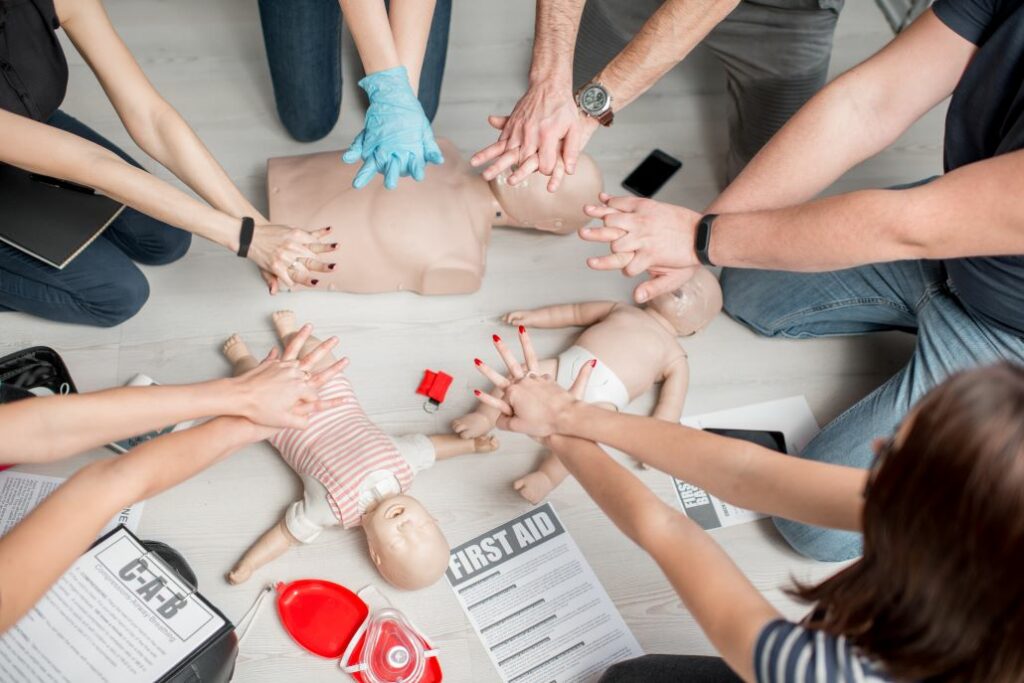
Change rescuers every 2 minutes if possible. Ensure that compressions correspond without disturbance throughout handoffs. Maintain appropriate depth-- preferably about 2 inches in adults-- and price-- a minimum of 100 compressions per minute.These pointers make sure that top quality compressions are maintained throughout till specialist assistance arrives.
Lower Compression Depth vs Greater Compression Depth
The compression deepness throughout CPR has substantial implications:
- A lower compression deepness could not circulate blood effectively enough, whereas too deep can cause injury.
The suitable depth typically drops around 5-- 6 centimeters (regarding 2-- 2.5 inches) for grownups yet should constantly be evaluated based on situational needs.
Slow Compression Rate
While keeping adequate rate is vital during mouth-to-mouth resuscitation compressions, slow-moving compression prices may lower performance:
- Aim for consistent balanced compressions without rushing through them.
A rapid however regulated technique makes sure maximum blood circulation till emergency responders take control of care.
FAQs
1. What ought to I do first when I locate someone unresponsive?
First, ensure safety for both you and the target before examining their responsiveness by carefully drinking them and asking if they are okay.
2. Just how do I know if somebody needs CPR?
If the person does not respond verbally or literally after shaking them and shows signs of no breathing or irregular breathing patterns, launch CPR immediately.
3. Can any person utilize a public defibrillator?
Yes! Public defibrillators are developed for usage by laypersons; several included clear voice instructions assisting users via each step of operation.
4. What are hospital codes?
Hospital codes refer to certain phrases made use of within clinical centers showing specific emergencies requiring instant reaction from team-- like "Code Blue" signaling cardiac arrest situations.
5. Is BLS accreditation necessary?
While it's not necessary for everyone, getting BLS qualification prepares individuals for emergency situation circumstances including grown-up victims needing basic life support methods effectively.
6. How long should I do mouth-to-mouth resuscitation prior to stopping?
Continue doing CPR till specialist help arrives or until you notice indications of recovery such as typical breathing or motion from the casualty.

Conclusion
Understanding just how to successfully examine responsiveness in emergencies encompasses numerous important aspects-- from recognizing no breathing signs to utilizing public defibrillators successfully. The ability to maintain calmness under stress while taking definitive actions like executing high-grade CPR can not be overstated; they add dramatically towards boosting survival prices in important situations.
Equipping oneself with understanding about health center codes and methods even more streamlines communication upon transferring like expert responders-- an essential action toward making sure ideal results in situation circumstances involving subconscious people needing prompt support! For that reason, whether you're an everyday citizen or part of health care training programs such as BLS accreditation programs-- understanding these abilities will certainly encourage you with self-confidence when it truly counts!